How Do Heavy Delivery Trucks Stress Commercial Pavement?
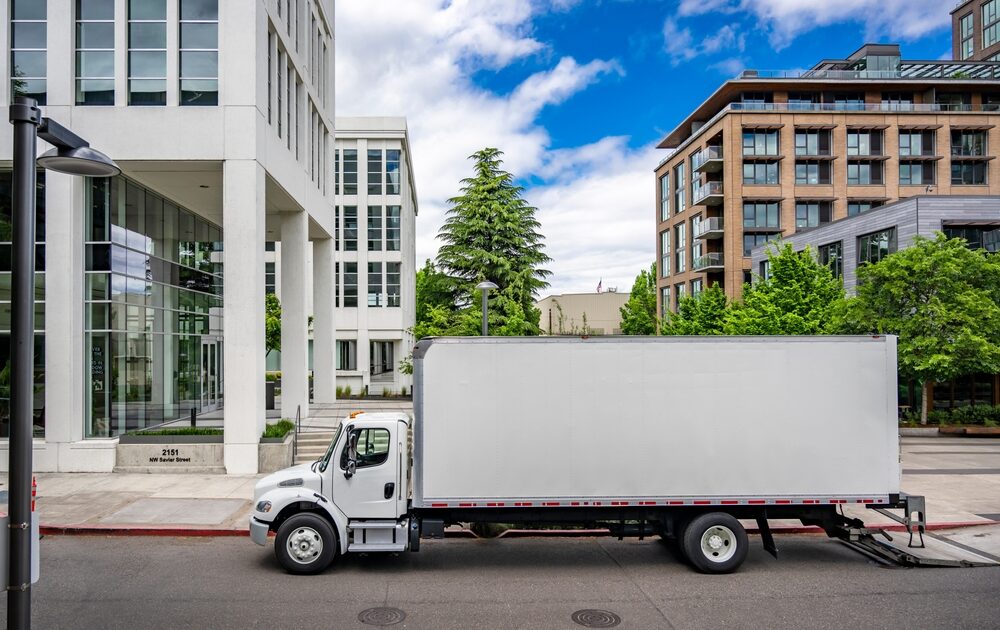
If a lot of delivery trucks drive on your lot, your pavement will break down faster than normal. Heavy delivery trucks put a lot more pressure on your pavement than passenger cars. And our Ohio weather only adds to the damage.
Today, we’re going to explain how heavy delivery trucks stress your pavement and what you can do to minimize the damage.
The Weight of Heavy Vehicles Breaks Down Asphalt Pavement Faster
Large trucks put a ton of vertical stress on your asphalt pavement. Delivery trucks concentrate their weight through their axles. A single loaded truck can equal thousands of car passes in terms of the impact on your asphalt pavement.
And to make things worse, delivery trucks usually use the same routes over and over again. Your asphalt flexes every time a heavy delivery truck rolls over the same lane or loading zone. These repeated heavy loads cause fatigue cracking over time.
You won’t always notice these micro-cracks right away, but over time, they grow into alligator cracks and potholes. The specific areas that are most affected by heavy trucks are usually your loading docks and dumpster pads.
Truck Movement Patterns Also Cause Asphalt Damage
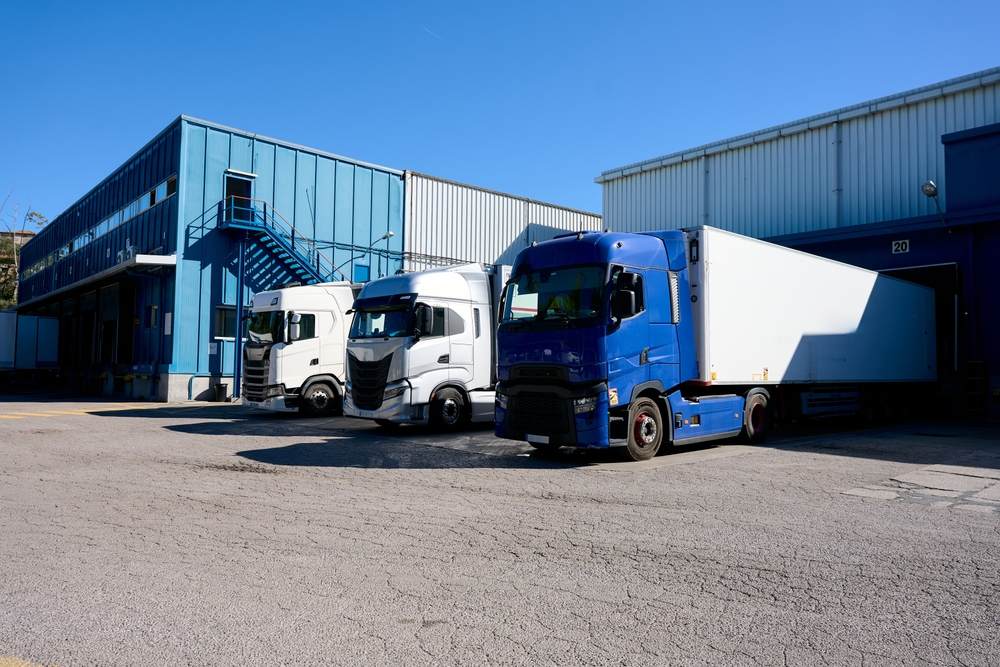
Not all asphalt damage comes from the vertical pressure. When delivery trucks turn, back up, accelerate, and brake, it also applies horizontal forces on your asphalt. Passenger cars put the same horizontal forces on your pavement, but the weight of delivery trucks makes these forces much more destructive.
Surface Shearing from Turning
Delivery truck tires twist against your asphalt’s surface when they turn into their docks. Over time, the surface ripples from the repeated horizontal movements. This scrubbing motion grinds the top layer of your asphalt and tears at the binder.
Rutting from Slow Rolling
Rutting happens when heavy trucks move slowly under heavy loads, especially on hot days when your asphalt is more pliable. These ruts lead to standing water, which can lead to even more damage over time.
Braking and Acceleration Shoving
Heavy delivery trucks stop quickly at your lot’s entries and exits. These stops and starts put a lot of longitudinal force on your pavement. The wheels can push your asphalt forward, creating waves in the pavement.
Backing and Pivot Damage
Loading docks usually take the most damage from heavy delivery trucks. Trucks back in slowly, they pivot, they realign, and they rotate their tires in place over your pavement. These high-torque movements tear at small sections of your pavement and break down the binder.
Ohio Weather Adds to the Damage
Our Ohio weather adds to truck-related stresses. Moisture is one of the biggest problems. Water seeps into cracks in the surface of your asphalt and weakens the base. When the foundation is soft, heavy vehicles damage the materials underneath, which leads to dips and potholes.
Freeze-thaw cycles make water damage even worse. As the water in your pavement freezes, it expands and pushes cracks open. This freezing and thawing over and over again turns small cracks into bigger cracks. Then, large trucks roll over these weakened areas, and your pavement crumbles.
Heat also makes pavement damage worse. In the summer, asphalt gets softer and more pliable. When heavy trucks sit on these hot asphalt surfaces, they can make deep ruts. The ruts collect water, and this leads to even more damage.
The Solution is Stronger Commercial Paving Designs
The best way to protect your commercial paving from heavy delivery trucks is to reinforce it. If you know your lot is going to see a lot of heavy trucks, you should reinforce the high-stress zones.
Increase Asphalt Thickness Overall
One of the best ways to make your pavement stronger is by increasing asphalt thickness. Adding extra layers improves load distribution. You also want a well-compacted base. Strong aggregate layers protect your foundation from the crushing forces.
Reinforce Loading Docks Specifically
You should also consider reinforcing your loading docks and dumpster pads. These zones get the most traffic from heavy trucks, so thicker asphalt or concrete paving in these areas is a good investment. Concrete is stronger than asphalt under static loads.
Improve Your Drainage System
One more way to make your parking lot stronger against heavy trucks is to make sure it has a great drainage system. Water accelerates pavement damage, so you want to minimize standing water.
Maintenance Strategies That Can Minimize Pavement Damage
Regular Inspections
Regular pavement inspections can help you find issues early before they get worse. Look for small cracks, ruts, deteriorating edges, and poor drainage. You can do casual checks by yourself or call a paving company for a professional inspection. Call Tolliver & Curl to schedule a pavement inspection today.
Crack Sealing
Crack sealing is the bread and butter of pavement maintenance. Small cracks might not seem like a big deal, but they let water seep into your base layers. Once it’s down there, freeze-thaw cycles widen the gaps, and everything goes downhill from there. Call Tolliver & Curl to schedule professional crack sealing today.
Sealcoating
Sealcoating helps protect your pavement against oxidation, scuffing, and heat-related damage. We generally recommend you sealcoat your asphalt lots every 2 to 3 years. Contact us today to schedule commercial sealcoating.
Resurfacing
If you have a damaged loading dock or a dumpster pad, you don’t always have to do a full reconstruction. Sometimes we can mill the damaged top layer and add a fresh lift of asphalt. Call us today to schedule an inspection, and we’ll help you determine whether resurfacing is possible.
Contact Tolliver & Curl for Asphalt Pavement Services in Columbus Ohio
Are you concerned about heavy delivery trucks damaging your asphalt or concrete pavement? Call Tolliver & Curl today to schedule an inspection. We’ll take a look at your pavement and help you put together a maintenance plan. Contact us today to schedule an inspection and get a free estimate on asphalt or concrete paving, repairs, sealcoating, and resurfacing services in the Columbus Ohio area.
You May Also Like...
What Are the Benefits of Full-Depth Reclamation?
When asphalt starts breaking down, you don’t always have to tear everything out…

Should You Invest in Permeable Paving Solutions?
What are Permeable Pavers? Permeable pavers are a simple but truly effective way…

How to Destroy Asphalt and How to Protect It
What Causes Asphalt to Degrade? Like many pavement construction materials, asphalt will begin…