How Small Cracks Can Turn Into Expensive Asphalt Repairs?
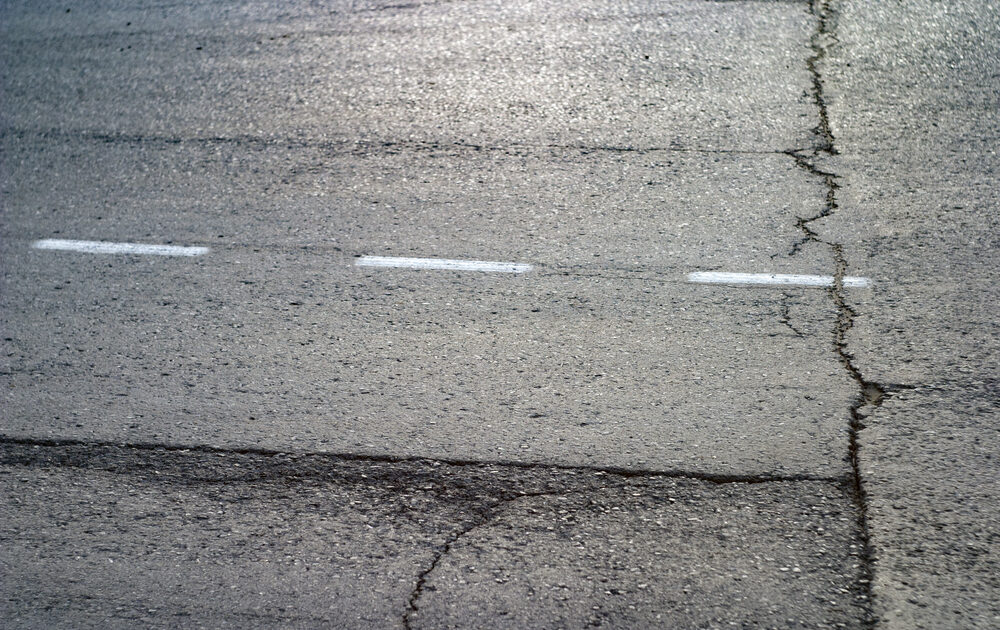
Small cracks in your asphalt pavement may appear to be just that, a small surface issue. However, for homeowners and business owners alike, what appears to be a minor crack can quickly turn into costly damage if left unaddressed. Minor cracks let moisture seep in, silently causing havoc beneath the surface. We’ll discuss what happens to the pavement when problems arise, what signs to look for in your pavement, and common repair options.
Understanding Small Cracks and How Asphalt Damage Begins
There are two types of small cracks to look for in asphalt and pavement. The first is a hairline fracture. These minor cracks are very thin, not more than ¼” wide, and are considered surface cracks. The other is a deep crack that is bigger than the hairline fracture and typically reaches ½” deep.
The Science Behind Asphalt Crack Formation
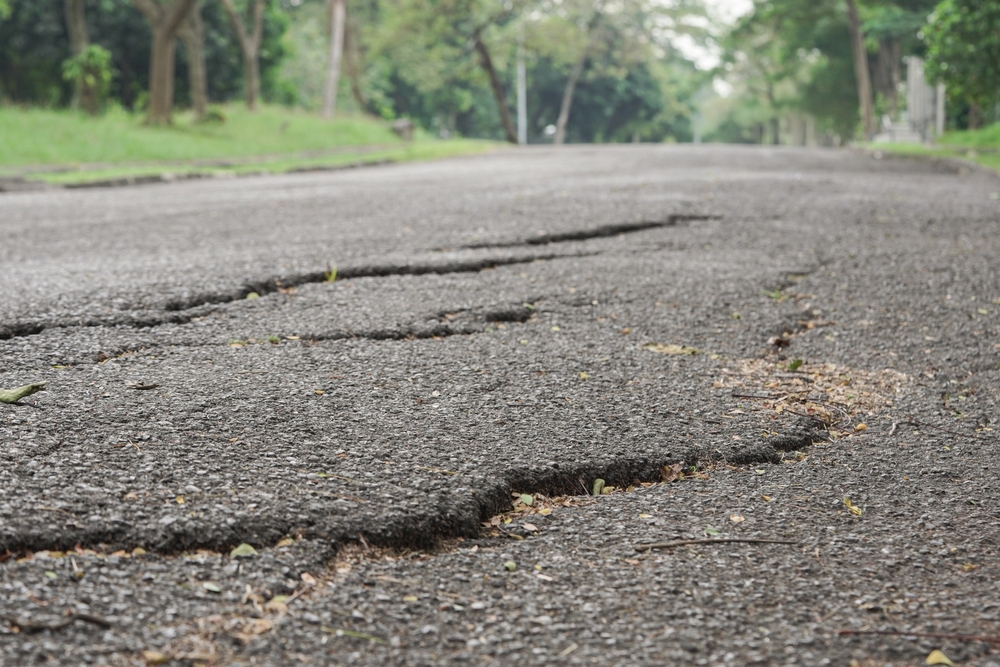
What is asphalt? Asphalt is made largely from mineral aggregates and a tar binder that binds them together. Unfortunately, these materials exhibit different behavior at both high and low temperatures. Asphalt expands when it’s hot and compresses when it’s cold. During colder months, when pavement materials shrink, the surface becomes more vulnerable to cracking.
Outside of temperature threats, anyone with asphalt paving needs to understand the risk of oxidation. Over time, the chemical reaction of the pavement mixture and oxygen slowly weakens the binder, making it more brittle. You can visually see oxidation happen as well. Freshly poured asphalt is a dark charcoal color, and as it ages, the color fades to light grey or tan. While nothing can stop the natural oxidation process, preventive maintenance can help extend the lifespan of your property’s parking lot, driveway, and sidewalks.
Water Infiltration: The Hidden Enemy Beneath the Surface
For a chemical widely known to support life, water to asphalt pavement is quite the opposite. Water infiltration is very difficult in some areas of the country. Weather patterns are the most common culprit, but not the only threat to pavement. Poorly maintained properties can also pose problems. For example, pavement that is constantly wet from gutter issues, landscaping issues, or sloping problems from improper pavement installation can cause water to sit on the surface.
If cracks form and moisture seeps into the pavement, this will only amplify the freeze-thaw effect. Trapped water will expand under the surface, creating tears and spaces for moisture to accumulate. When enough water seeps into the pavement’s sublayers, it weakens the foundation, leading to structural damage. Structural damage then poses even more threats to potholes, bigger cracks, and sinking.
Small Asphalt Problems That Homeowners and Managers Overlook
If you learn one thing from this blog, it’s not to ignore any cosmetic issues in the pavement. The health of your pavement and your pockets will only suffer more if you do. While most home and business owners have busy work and home lives, hand the burden of pavement maintenance to the professionals. Neglecting your parking lot will only later reveal costly repairs that could have been avoided. Often, it takes just one season for a small crack to grow into structural damage deep within the pavement.
The True Cost: Why Repairs Become So Expensive Over Time
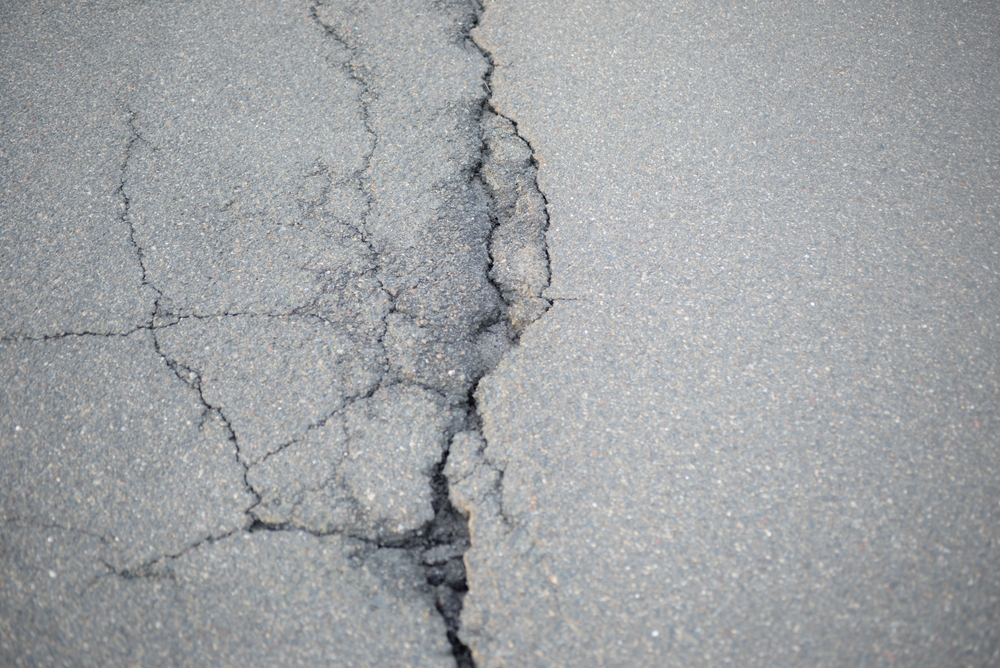
The cost of asphalt repair varies based on several factors, including time, size, and technique. If addressed promptly after discovery, parking lot repairs might only involve crack filling or sealing. These are two of the lower-cost repairs used to stop damage in its tracks, sealing off fractures where water can enter. Sealing costs can often range from 50 cents to a few dollars per foot.
If the paving needs more work than sealing cracks, Sealcoating might be an option. Sealcoating is the process of adding a new asphalt layer to the pavement. Using the same parking lot example, this is applied to the entire surface, making it cost move from a few hundred dollars to a few thousand, depending on square footage. If the paving professionals determine a full replacement is necessary, businesses could face a price tag of $10k or more. Time is really the most valuable resource when it comes to pavement repairs. The longer you wait, the more disruptive and expensive it will be to replace.
Crack Filling vs. Crack Sealing: Knowing the Right Solution
- Crack filling is used for cracks that show no movement and are considered stable. This treatment can extend the life of the asphalt paving for up to 3 years.
- Crack Sealing is for “working” cracks, which show expansion and contraction with weather changes. Sealing can extend the pavement’s life up to 8 years.
Both of these repairs use different materials to fit their respective needs. It’s also important to mention that understanding which repair is best for your home or business is crucial because choosing the wrong method can be just as costly as doing nothing at all.
Proactive Pavement Maintenance: Your Best Defense
Being proactive with your pavement maintenance plan is the best financial decision a property owner can make to help avoid unexpected, costly repairs. Many people don’t consider maintenance until they can visibly see damage in the pavement. Pavement damage is not something to let linger; once visible damage is seen, contact an asphalt company to assess the damage immediately.
Setting up a preventative maintenance plan for your parking lot or driveway for inspection twice a year is a great routine to implement. These bi-yearly inspections allow a professional to assess the damage before and after freeze-thaw cycles begin, and after they end.
When to Act: Recognizing the Point of No Return
There are warning signs of asphalt pavement deterioration you can keep an eye out for if you choose not to consult a professional. Small hairline cracks in the pavement, sunken areas, pothole formations, crumbling or areas that have standing water are all signs that the pavement needs attention. Do not wait for the damage to become undeniable. Schedule our services today and protect the investment you have already made.
You May Also Like...

What is Asphalt Made Of?
The Road to Understanding Asphalt When you're driving down the highway or walking…

What Are the Benefits of Full-Depth Reclamation?
When asphalt starts breaking down, you don’t always have to tear everything out…

Asphalt Resurfacing Vs. Asphalt Replacement
The age-old debate: asphalt resurfacing vs. asphalt replacement. Which one is best? Which…