What’s the Difference Between Overlay and Micro-Surfacing?
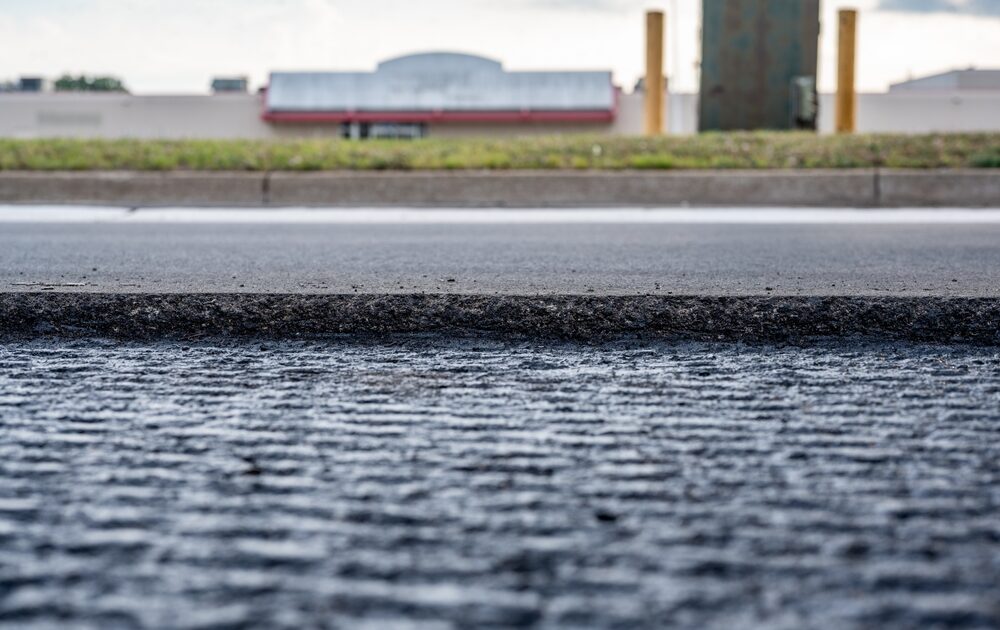
Pavement Preservation Solutions
Choosing the right pavement preservation solution for your property can make a significant difference to the longevity and performance of your property. The two most common methods to preserve blacktops are asphalt overlays and micro-surfacing, or a polymer-modified slurry seal. Each solution has its own benefits and issues. Choosing the right treatment comes down to your budget, the current condition of your lot, and your long-term goals. Below, we have broken down each option to help you choose which investment is right for you.
What Is An Asphalt Overlay?
An asphalt overlay is a layer of hot-mix asphalt that is placed directly over your existing pavement surface. This option adds structural strength to the existing surface and is an excellent solution for lots that have moderate to severe wear. We recommend this option if your property has any cracking, rutting, or surface deterioration. These overlays will not only fill and resurface damaged areas, but it will also restore the appearance of a freshly paved lot. This restoration method is often used on roadways and parking lots that experience heavier traffic.
The Installation Process
Before installation, your current lot will be cleaned and repaired where needed. Once the lot is prepped, cleaned, and even, a one to three inch thick layer will be put on top of your existing blacktop. A detailed preparation and smooth installation process is what will allow your lot to have a longer lifespan.
The Pros And Cons Of Asphalt Overlays
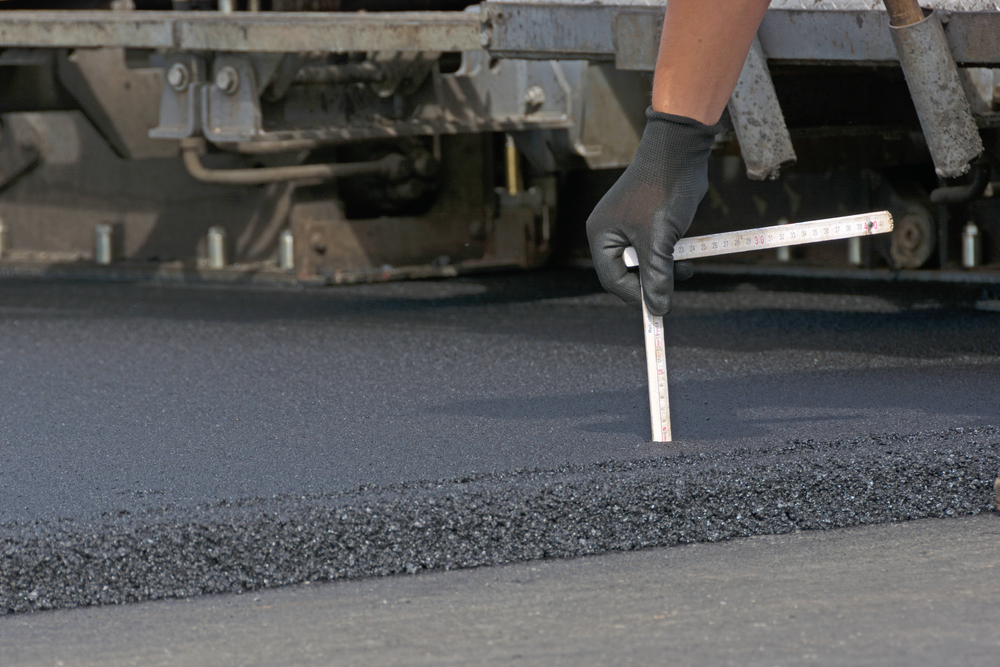
The biggest advantage that comes with asphalt overlays is the durability it provides. When the lot is properly prepped, it can extend the lifespan of your lot by 10 to 15 years. This option is slightly more expensive than a polymer-modified seal since it requires more preparation and special equipment to make sure it is done right.
What is Micro-surfacing?
A Polymer-modified seal, or micro-surfacing, is a thin layer of a polymer-modified emulsion that is put directly on top of your existing blacktop. This resurfacing treatment does not offer any structural strength and is usually used as a quick maintenance solution. Polymer-modified seals are best used as a preventative maintenance solution for lots that are still in good condition. We recommend polymer-modified seals for clients who are looking to refresh lots that only have small cracks and are looking for a more skid-resistant surface.
How Are Polymer-Modified Slurry Seals Installed
Polymer-modified seals are applied cold and in a very thin layer. This layer is typically one-eighth to a quarter of an inch thick. The material sets quickly and can be driven on within hours if conditions are right.
The Pros And Cons of Polymer-Modified Seals
Polymer-modified seals are perfect for those who are looking for a quick and cheap way to protect their pavement from damage. It can improve traction and refresh the look of your lot within hours. It can also extend the life of your blacktop by five to eight years before needing to address potential major issues. It is faster and more cost-effective, but it should only be used for long-term maintenance. This option cannot be used if you have deep cracks or any damage to your lot.
The Importance Of Resurfacing
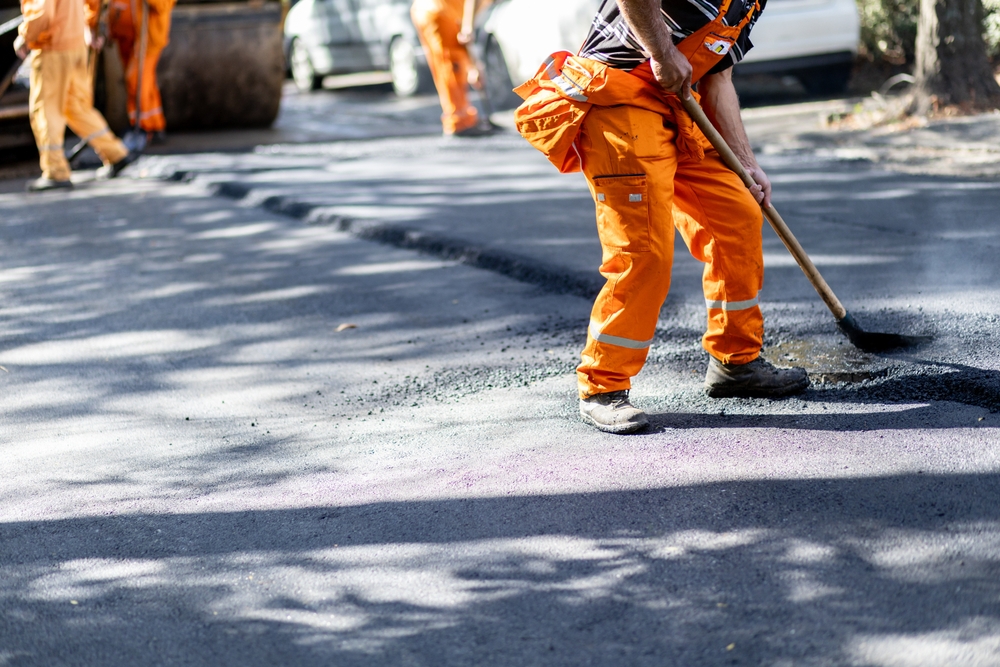
Road resurfacing is an easy way to extend a lots lifespan and keep it protected from damage. Over time, traffic and weather can cause oxidation, cracking, and loss of traction. Completely replacing blacktop is costly and can cause a lot of downtime. Overlays are the perfect way to make repairs without needing to completely replace the entire lot. If your lot doesn’t have any damage yet, but you are interested in taking a proactive approach, a polymer-modified seal can help preserve the structure of your lot and help you maintain a clean look.
Asphalt Resurfacing Timeline
The best time to resurface your lot is before any damage turns into structural failure and during the right weather conditions. The ideal time to resurface a lot is during the late spring through early fall. Warm temperatures will help the materials cure correctly, so there is strong adhesion that will ensure a long lifespan. It is important to think of downtime and traffic impacts while your project is underway. Overlays take longer to install and cure compared to polymer-modified seals. Cars will need to be restricted for one to several days, depending on the project.
Polymer-modified seals will cause minimal disruption and can be cured within hours. This is ideal for areas that have a lot of traffic and for businesses that need a fast turnaround.
Choose The Right Treatment For Your Property
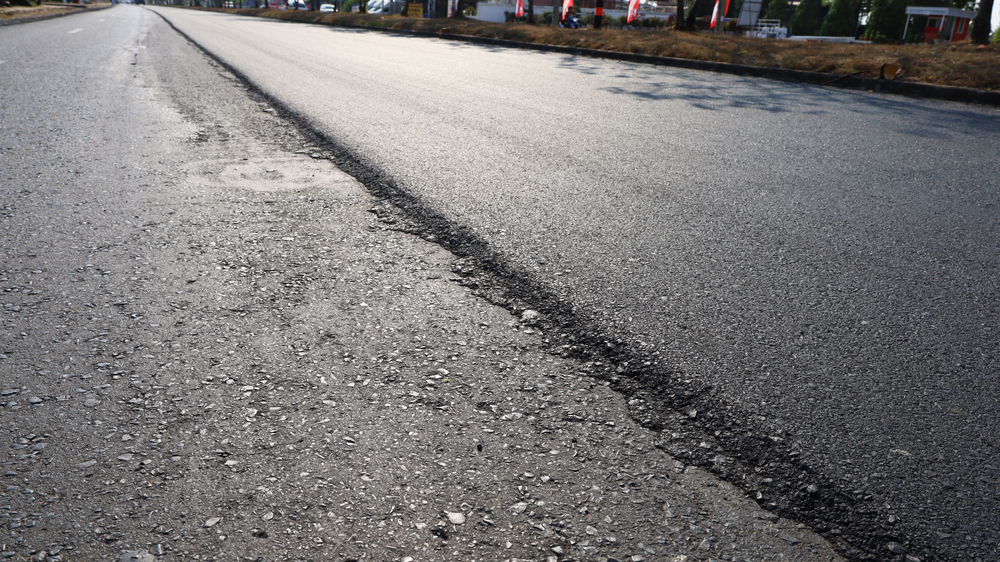
Understanding the difference between Overlays and polymer-modified seals, as well as knowing the condition of your lot, will help you decide which resurfacing option is right for you. Both solutions offer different purposes that will help keep your blacktop protected and extend its lifespan. Polymer-modified seals and overlays can help you protect your property and reduce future costly repairs. If you are interested in learning more about how polymer-modified seals or overlays can keep your pavement safe and functional for years to come, contact Tolliver & Curl today.
Schedule An Evaluation With Tolliver & Curl Today
Interested in learning more about the resurfacing options you have? Contact Tolliver & Curl today to schedule an evaluation. We will assess your property and help you determine whether polymer-modified seals or overlays are right for you. Our team of experts will help you addressany damage and plan a preventative maintenance plan so you can avoid unnecessary costs down the road. Contact us today to get started!
You May Also Like...

How Often Should a Parking Lot Be Inspected for Maintenance?
Asphalt Parking Lot Maintenance & Inspections At Tolliver & Curl, we know how…

The Impact of Heavy Traffic on Asphalt Wear and Tear
Pavement Fatigue Asphalt pavement is durable, and long lasting pavement solution that when…

What Are The Best Practices For Crack Sealing In Asphalt Repair?
How To Know When It’s Time For Asphalt Repair Asphalt pavement is a…