Can Poor Grading Lead to Accelerated Pavement Failure?
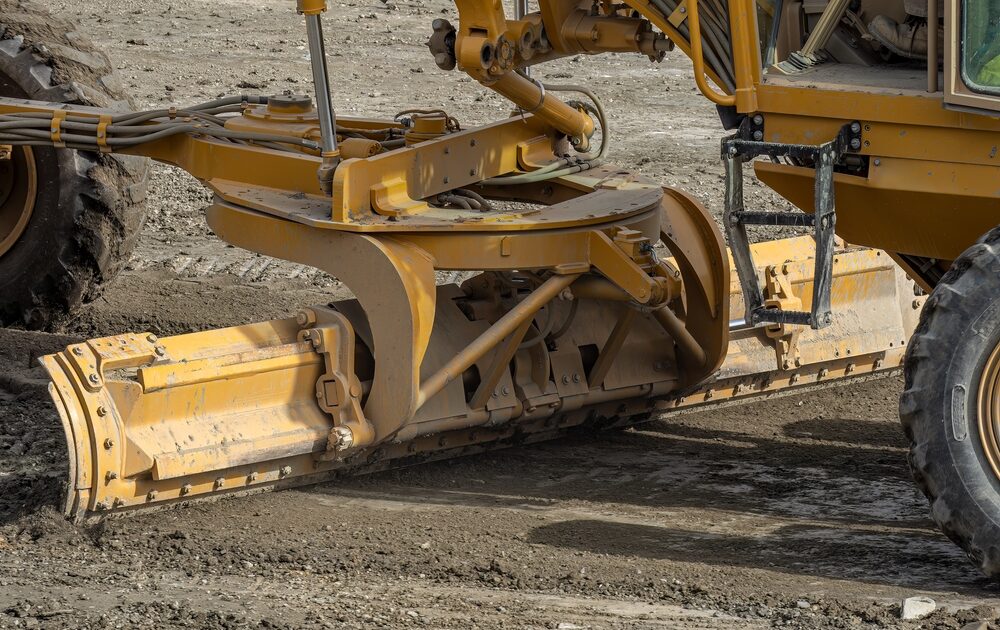
When considering an investment in a pavement for a high-traffic surface, such as a concrete driveway or a business center parking lot, the focal point is on durability. While even the most reputable companies can provide what seems like a job well done, it may be months or years later until you realize there is a significant issue with the pavement grading. If the grade of the pavement is not considered, the integrity of the structure can be compromised entirely, resulting in drainage issues, a shorter pavement lifespan, and increased costs over time.
Understanding why grading is a pivotal step in the pavement process will help you discern which asphalt and paving companies are worth your time and money.
Why Asphalt Pavement Grade is Linked To Longevity
Every well-built structure starts with a well-built foundation. Asphalt pavement is no different. The bottom-most layer under pavement is the subgrade, which typically consists of the natural surface on which the pavement is built. This is the support system that the pavement stands on. Without proper grading, the surface remains uneven, making the structure vulnerable to water accumulation, including standing water and drainage issues. Over time, grading can worsen, leading to cracking, rutting, and uneven load distribution, which accelerates the deterioration of the pavement’s durability.
What Does Improper Grading Mean?
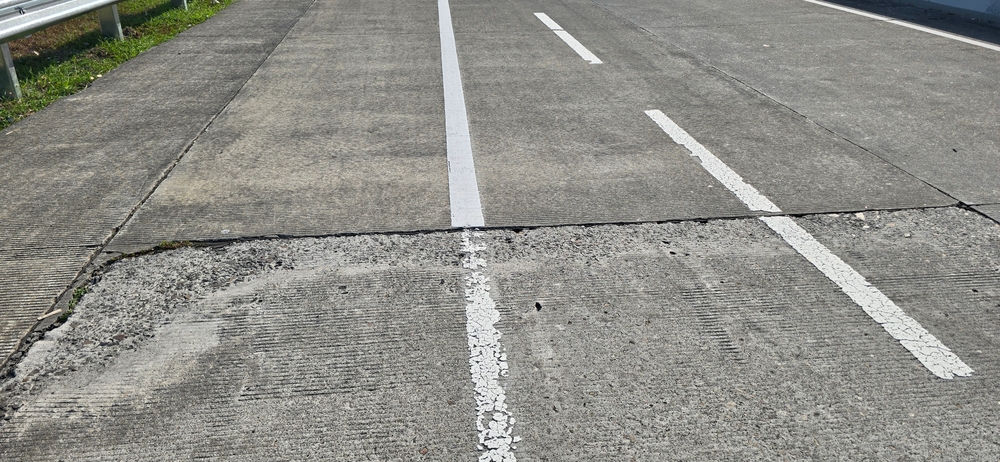
Grading refers to the slope or angle of the pavement that directs water away from the surface, preventing it from seeping into the layers and causing damage to the integrity of the pavement. The industry standard for a proper grade is around 2% for asphalt paving. While this angle is insignificant enough to remain undetected on the road, the incline keeps water moving just enough to prevent water damage and pavement distress.
How Poor Grading Leads to Pavement Issues
Pavement failures are rarely the result of just one issue, but an accumulation of improper practices. However, when graded incorrectly, the pavement’s surface drainage system will be disrupted, causing a domino effect of issues.
- Standing water: When the pavement surface is not graded to industry standard, water accumulation will naturally begin to happen.
- Water penetration: When standing water remains for an extended period, it begins to seep into the subgrade, weakening the pavement’s integrity.
- Cracking: As the foundation weakens, the asphalt begins to crack and rut.
- Freezing temperatures: When colder weather and pavement drainage issues combine, it creates a perfect storm. The water trapped inside the pavement will expand as winter temperatures plummet, causing the asphalt to expand and swell, which can be a concern for the pavement’s lifespan and durability.
How Water Damage Accelerates Deterioration
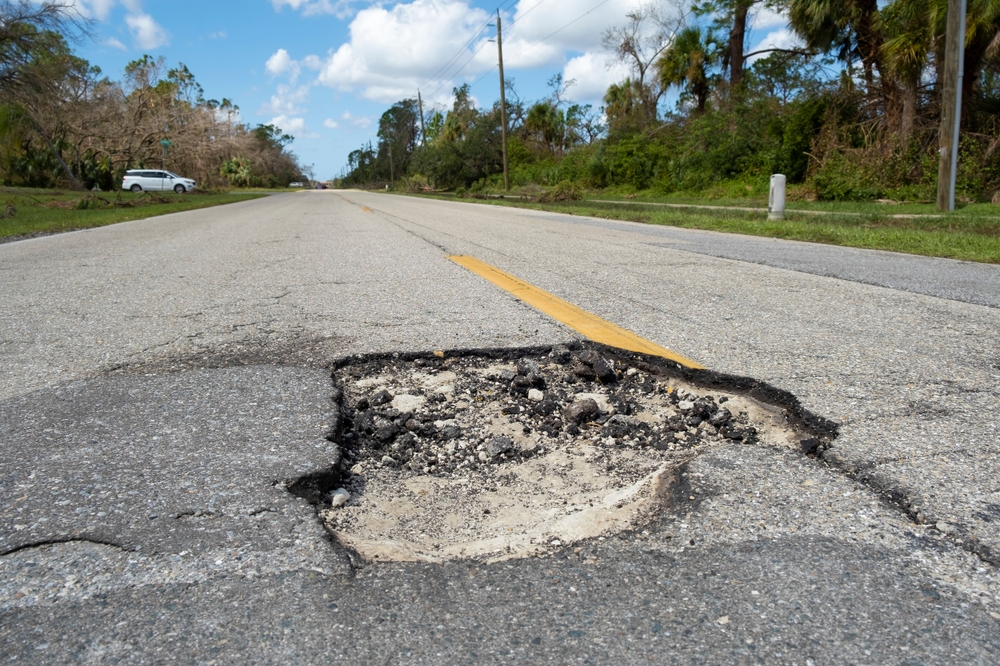
Water damage is the leading cause of pavement failures nationwide. When drainage issues arise, the consequences are severe and nearly impossible to reverse. Once water damage reaches the subgrade, the pavement framework will slowly erode beyond repair, rendering it irreparable. Potholes and cracks will begin to form, causing hazards to all who use the pavement. When the layers beneath the asphalt become saturated with water, they lose their load-bearing capacity, especially in high-traffic areas.
Why Effective Drainage Systems Are Important
While we’ve already discussed why grading is so important to the lifespan of asphalt pavement, there are other strategies to consider. Supplementary drainage solutions, such as catch basins, gutters, underdrains, and retaining walls, are all options you can consider for your home or business’s pavement. These all have their own function in redirecting water away from the asphalt and protecting your investment.
Other Options For Effective Drainage
- Catch Basin – The job of a catch basin, also known as a surface drain, is to collect water from the pavement and redirect it.
- Gutters and Curbs – This is another water redirection tactic that channels water away from the asphalt pavement.
- Underdrain- this removes water from the subgrade underneath the pavement. It helps to keep the foundation intact and not saturated with water.
- French drains – this solution helps keep water that seeps into the pavement from nearby water sources.
Standing Water and What To Do About It
Now that we know standing water can threaten your asphalt investment, the question is, what can I do about it? If you see standing water on your property, do not assume it is just a cosmetic issue. Not only can standing water pose a safety hazard to the public, but it’s also a costly one.
- Identify the cause- the problem may not be poor grading. Check the drains to see if there is a clog or if there is a depression in the asphalt.
- Depending on the cause of the issue, surface solutions can be done to prevent the subgrade from deteriorating. You may need a temporary solution to remove water from the surface, or you may require a long-term solution, such as re-grading or reconstruction.
- Preventative Measure – Keeping up with maintenance will save you time and money if done correctly. Routine inspections are crucial for identifying problems before they cause permanent damage.
How To Prevent Drainage Issues Before They Start
If you are considering investing in new asphalt pavement, there are steps you can take to ensure you avoid any pavement issues.
- A site inspection- have a professional identify any potential and existing threats to the site.
- A precise grade- find an asphalt company that is an expert in the paving process
- Layered approach – ensure the foundation and base layer are perfect before proceeding with the pavement process.
- Additional drainage- incorporate some of the other drainage solutions
- Maintenance- check for early signs of distress in the pavement
Grading is the Foundation of Longevity
Poor grading doesn’t just affect aesthetics; it directly impacts the structural integrity of your asphalt pavement. From water accumulation and standing water to pavement distress, the consequences of improper grading can be severe. By prioritizing proper grading and planning for adequate drainage, you protect your investment and avoid premature pavement failure. Contact our office today to receive a quote on how we can assist with your pavement needs.
You May Also Like...

How Does Weather Affect Asphalt Paved Surfaces?
Understanding How Weather Conditions Affect Asphalt Pavement Asphalt is everywhere—it forms the roads…

Tips To Minimize Disruption During Paving Construction
Have A Plan Before Your Paving Construction Project Begins Having little to no…

Winter Challenges In Commercial Paving And Preparation
The Timing of Commercial Asphalt Paving Best Seasons for Paving Asphalt Asphalt paving…