How Do You Properly Prepare A Site Before A Concrete Pour?

Why Proper Site Prep is Crucial for a Successful Concrete Pour

Properly preparing a site before pouring concrete is essential for achieving a durable and long-lasting concrete slab. Whether you’re building a driveway, foundation, or patio, the concrete pour’s quality hinges on the prepared ground’s condition. Skipping steps or rushing through site prep can lead to cracks, shifting, or even complete failure of the concrete structure. Investing time in thorough site preparation helps ensure that the slab is stable, adequately supported, and resistant to the elements.
Common Mistakes in Site Preparation
Many contractors make the mistake of underestimating the importance of site preparation, leading to problems that could have been avoided. Common mistakes include insufficient soil compaction, using the wrong base, and not accounting for water drainage. These completely avoidable errors can compromise the integrity of the concrete slab, causing costly repairs down the road. Proper preparation is about more than just leveling the ground—it’s about creating a stable foundation that will support the concrete slab for years to come. Avoiding these pitfalls sets the stage for a successful and resilient pour.
Assessing the Site Before Starting
Before you begin the process, taking the time to perform a thorough assessment of the area is crucial. It helps ensure that you address any challenges upfront so that they don’t become problems or pain points later on.
Soil Analysis and Testing
Understanding the type of soil you’re working with is the first step in foundation preparation. Different soils react differently under the weight of concrete, and some may require additional attention before you proceed. For example, sandy soil offers good drainage but might require compaction, while clay-rich soil may need amendments to improve stability. A soil analysis can determine the soil composition and moisture content, ensuring that the site is ready for a concrete pour.
Identifying Necessary Grading and Drainage Adjustments
Water is one of concrete’s biggest enemies, especially if it pools beneath the slab. Before pouring, it’s essential to ensure that water will not accumulate under the concrete. Grading the site allows you to direct it away from the structure. Additionally, identifying areas where drainage systems may be required will help prevent future water damage. Proper grading can also ensure a smooth, even surface for the concrete, which contributes to the finished product’s stability.
Steps to Prepare A Site for Concrete Slab

A successful pour relies on careful attention to detail during ground prep. Follow these steps to ensure the site is properly prepared before pouring.
Clearing the Area and Removing Obstacles
Clear the area of any vegetation, rocks, or debris that could interfere with the results. The area should be free from any roots or organic material that could decompose over time, causing voids under the concrete. Use appropriate equipment like backhoes or excavators for larger projects, and ensure that the site is fully cleared before moving on to the next steps.
Excavation and Adding Fill Dirt
Excavating the site is the next step, ensuring that the ground is at the desired depth for the concrete. The excavation should be deep enough to accommodate the thickness of the slab and base. After excavating, fill dirt may need to be added to create a level surface. The fill helps establish a solid foundation before the base materials are added. Ensure that it’s evenly spread and compacted before continuing with the process.
Compacting the Dirt for Stability
Compaction is a key step in creating a stable base for concrete. Without compacting, the concrete may shift or settle over time, leading to cracks. It’s most time-effective to use a mechanical compactor to help you compact in even layers, ensuring that each layer is firm before adding the next. This process helps remove air pockets and creates a dense, solid foundation that will support the weight of the concrete. Good compaction also reduces the risk of future settling.
Choosing the Right Base Material
Selecting the right base material is critical for a successful concrete installation. The base acts as a buffer between the ground and the concrete, helping to distribute the weight evenly. Common choices include gravel, crushed stone, and sand. Each material has its benefits, but gravel is often preferred for its ability to provide a stable and well-draining surface. Spread the base material evenly over the compacted foundation, then compact it again to ensure a solid foundation before pouring concrete.
Preparing for Weather Conditions During the Pour
Weather can make or break your concrete results and determine its success over time. Ideally, concrete should be poured in dry conditions with moderate temperatures to prevent premature drying or freezing. High humidity levels can weaken the concrete mix, but excessive heat can also cause the concrete to dry too quickly. Prepare for weather conditions by monitoring forecasts and having tarps ready to cover the site in case of unexpected rain. Being proactive about weather conditions ensures that the concrete installation proceeds smoothly and that the slab cures evenly.
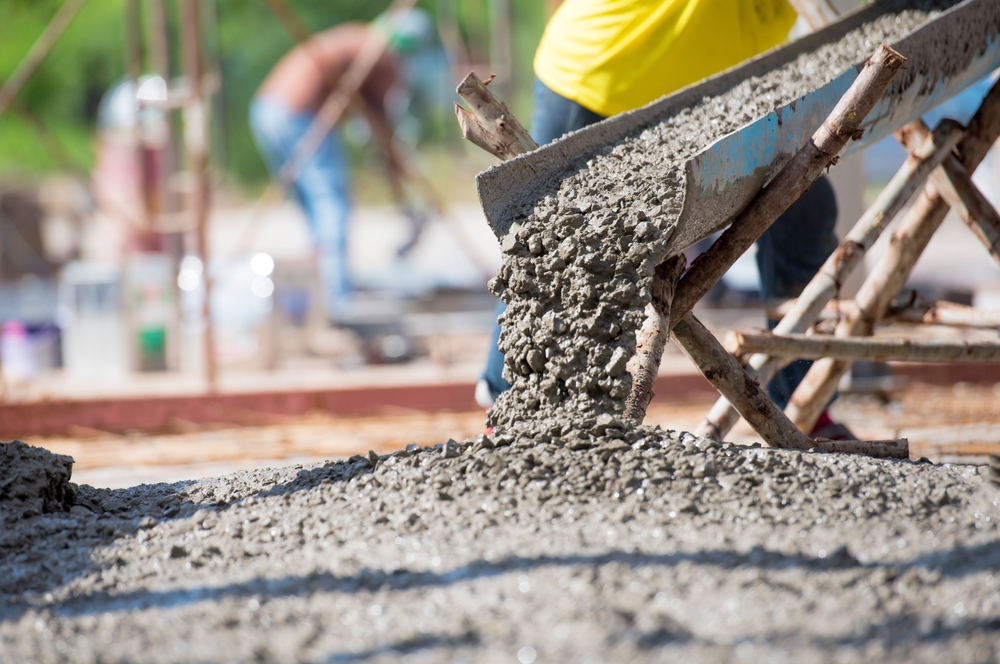
Setting Forms and Reinforcement & Final Checks Before Pouring Concrete
The last step before concrete installation involves setting forms and reinforcing the area for added strength.
- Use Forms to Define the Concrete Pour Area: Forms are essential for keeping everything in place during the installation, ensuring it takes the desired shape and thickness. Forms are most often made from wood or metal and should be firmly anchored into the foundation. Ensure that the forms are level, straight, and properly aligned to prevent uneven edges on the finished product. Double-check measurements and make any adjustments before proceeding to avoid issues during placement.
- Add Reinforcement for Structural Integrity: Reinforcements like rebar or wire mesh add strength to the foundation, helping to prevent cracking. Place the reinforcement within the form before you pour concrete, making sure it is evenly spaced and positioned correctly. This reinforcement ensures that everything remains intact under pressure and helps distribute weight evenly.
- Check Everything One Last Time: Before you start, perform a final inspection of the site. Verify that the forms are secure, the foundation is compacted, and that all measurements align with the project plans. Check to make sure everything is not too dry or too wet. These final checks ensure that everything is ready to go, minimizing the risk of mistakes and ensuring a smooth, professional finish.
Proper setup is the foundation of a successful project. By taking the time to assess the area, select the right components, and ensure stability through compaction, you set the stage for a durable and long-lasting job. Take the time to plan and give your work the attention to detail it needs so that you can avoid common errors and make sure your project is built to last. When in doubt, trust a professional for the best results.
You May Also Like...

The Impact of Heavy Traffic on Asphalt Wear and Tear
Pavement Fatigue Asphalt pavement is durable, and long lasting pavement solution that when…

The Role of Drainage in Preventing Asphalt Damage & Potholes
Asphalt is mainly a mixture of a crude oil substance and aggregates like…

What To Expect During A Commercial Paving Project?
A commercial paving project isn’t just pouring asphalt and smoothing it out. It…