How Do Freeze-Thaw Cycles Impact Commercial Pavement?
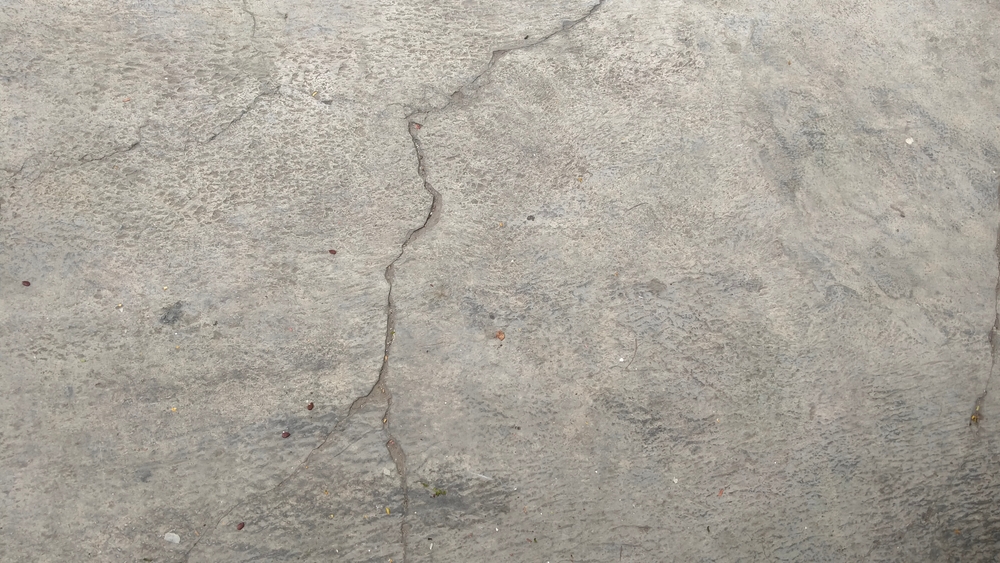
Commercial pavement in Columbus gets beaten up all year long by heavy vehicles and plowing equipment. Another destructive force is something a lot of people don’t think about—the repeated freezing and thawing that happens all winter in Ohio.
What are Freeze-Thaw Cycles?
A freeze-thaw cycle happens when the temperature falls below freezing and then rises above it again. The water in your pavement freezes, thaws, and then freezes again. When the water freezes, it expands, and when it thaws, it contracts. Each of these cycles stresses out your pavement. Parking lots in central Ohio have to endure dozens of freeze-thaw cycles every year because our temperatures tend to hover around freezing all winter.
How Freeze-Thaw Cycles Affect Subgrade Soils
A lot of people think damage from freeze-thaw cycles is all surface-level, but it’s not. A lot of the damage starts below the pavement:
Frost Heave
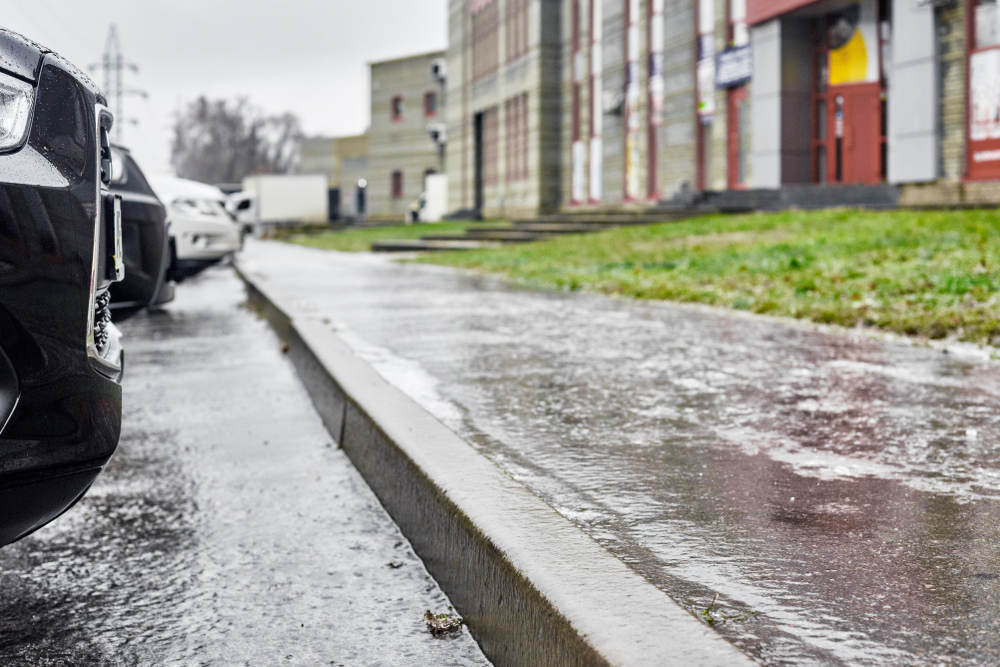
Your pavement has a base layer, and beneath that base layer, there’s subgrade soil. When water seeps into your pavement, it eventually sinks down into the subgrade soils. When the water in the subgrade soil freezes, it expands, pushing up on your pavement. This process is called frost heave.
Thaw Weakening
When the water in the subgrade soil thaws, the soil softens and loses strength. This thaw weakening makes asphalt pavements much more likely to crack and deform. Frost heave and thaw weakening are a one-two punch to your pavement with every freeze-thaw cycle.
Freeze-Thaw Damage in Asphalt Pavements vs. Concrete Pavements
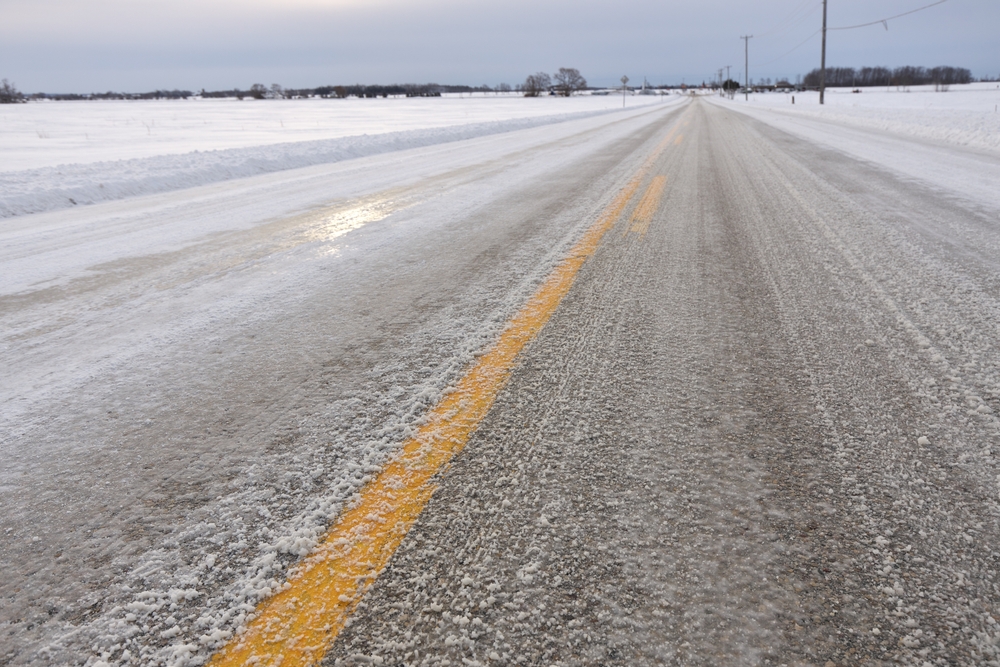
Asphalt Pavements
- Asphalt is more flexible and fails mainly because of the loss of support below the surface.
- The damage starts when asphalt cracks widen and let water seep into the base layer and subsoil.
- Most severe failures happen during thawing, not freezing.
- Sudden potholes form when damage gets bad.
- Damage is usually localized and happens suddenly.
Concrete Pavement
- Concrete is a more rigid material that fails due to internal pressure within each slab.
- Damage starts when moisture is absorbed through pores rather than large cracks.
- Severe failures usually happen within concrete pavements during freezing.
- Scaling and joint breakdown when damage gets bad.
- Damage is usually gradual, and it spreads slowly.
High-Risk Areas in Commercial Parking Lots
Drive Lanes
Drive lanes and entrances get tons of traffic, and vehicles are always braking and turning in them. Even minor cracks in these areas can turn into big problems when the thawing starts.
Loading Zones
Loading areas and dumpster pads carry some of the heaviest loads in your commercial parking lot. These areas see a lot of concentrated pressure. When freeze-thaw cycles weaken the support system below the surface, these areas are often first to form potholes.
Areas Near Drains
Low spots and areas near drains are big risk areas for standing water. It’s never a good idea to give water more time to seep into your parking lot’s cracks and joints.
Pavement Edges
The edges of your pavement usually break down faster due to snow buildup from plowing. It’s common for freeze-thaw damage to start at the edges of a parking lot and spread from there.
How Parking Lot Owners Can Minimize Freeze-Thaw Damage
Regular Inspections
Doing routine inspections can help you catch problems with your commercial paving early. We recommend parking lot owners inspect their pavement in the fall and again in early spring. Be on the lookout for new cracks and worn-out, uneven pavement.
Seal Cracks Before Winter
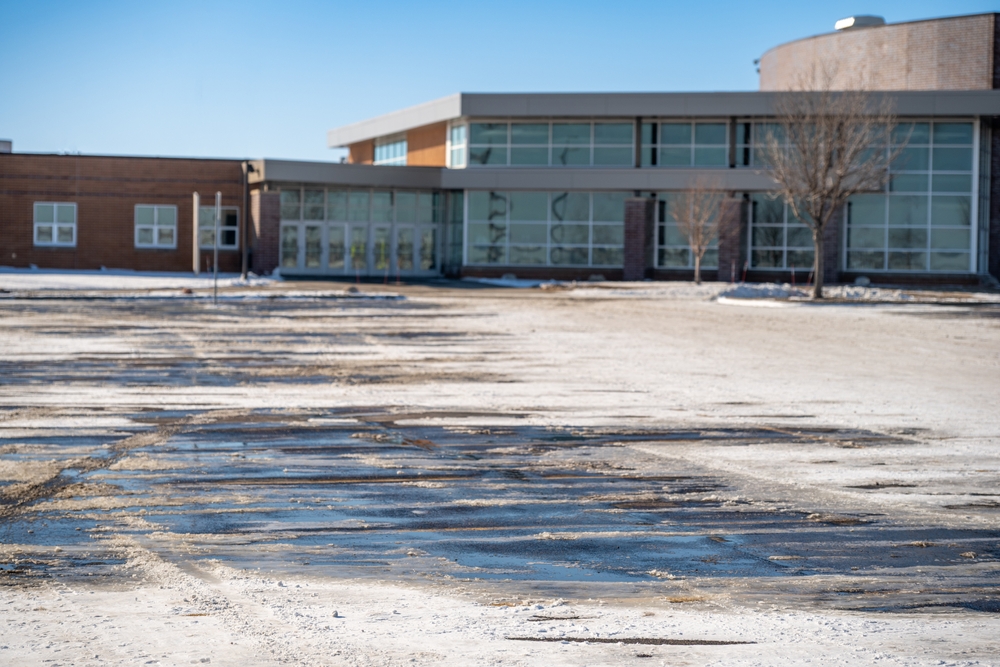
Crack sealing is one of the best ways to minimize damage from freeze-thaw cycles in the winter. Even small cracks let water in and weaken the layers below. Fixing cracks in the fall helps seal out water before winter comes.
Improve Your Lot’s Drainage
Water that’s just sitting on the surface of your parking lot has a lot more time to penetrate the pavement. Clogged catch basins and low spots increase the risk of freeze-thaw weathering. Clear your drainage systems and fix areas where water pools before winter.
Sealcoat Your Parking Lot
Sealcoating helps you protect your parking lot from water and salt. It doesn’t make your parking lot immune to damage from freeze-thaw cycles, but it helps.
FAQs About Freeze-Thaw Damage in Commercial Pavement
How many freeze-thaw cycles does a parking lot get every winter?
In Ohio, we can experience dozens of freeze-thaw cycles in a single winter. A cycle happens anytime temperatures rise above freezing during the day and drop below freezing at night. This is much more damaging than if we had one long freeze all winter because the pavement expands and contracts over and over again.
Why do potholes seem to appear out of nowhere in late winter or early spring?
Most potholes are born during thawing periods, not during the coldest part of winter. The pavement loses support over time as the ground thaws, then the surface collapses when cars drive on the weakened pavement.
Can sealcoating stop freeze-thaw damage?
Sealcoating doesn’t completely stop freeze-thaw damage, but it gives your parking lot an extra layer of protection. Sealcoating limits how much water can seep in through your pavement’s surface.
Does plowing make freeze-thaw damage worse?
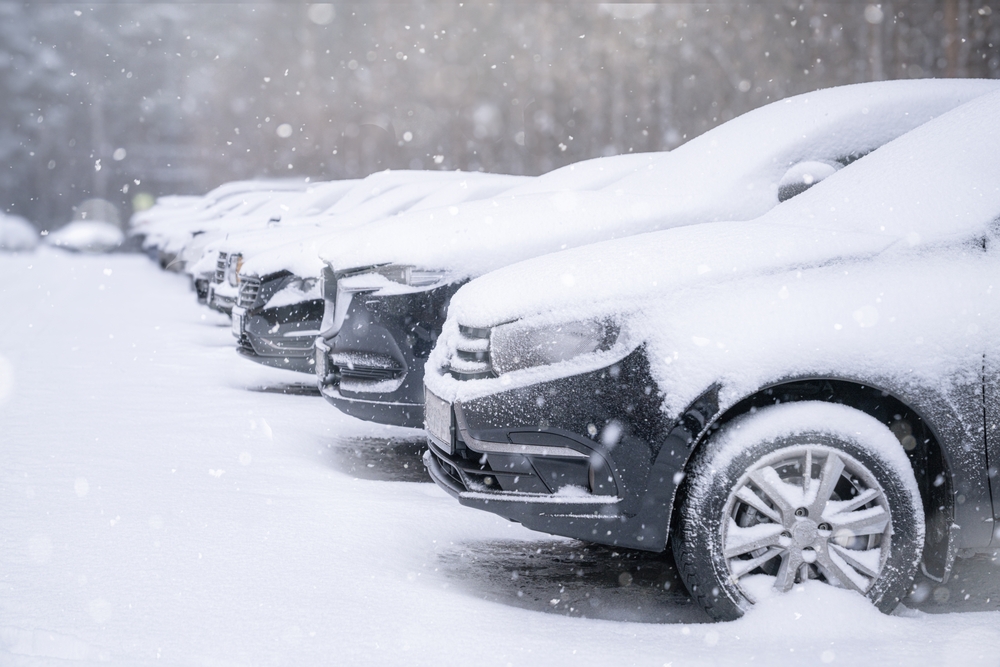
You have to plow your parking lot to make it safe, but yes, plowing can add to the damage. Plow blades catch raised edges and can make them worse. Plus, the plows usually just push the snow to the edges of your pavement, not off of it. It sits there for a long time, eventually melts, and seeps into your pavement if it has cracks. You can minimize plow damage by fixing cracks before winter and by using plow shoes or rubber-edged blades instead of metal edges.
What’s the best time of the year to schedule inspections for freeze-thaw damage?
We recommend you have your parking lot inspected in the fall before winter and again in the early spring. The idea is to fix as many issues as you can in the fall before the freezing starts. Then in the spring, it’s wise to make sure those repairs hold up.
Contact Tolliver & Curl for Asphalt Pavement Repairs Today
Freeze-thaw cycles are a fact of life in Ohio, but major potholes don’t have to be. Consistent maintenance and timely repairs are the keys. Addressing cracks early and making sure your parking lot drains well can extend the life of your asphalt or concrete pavement.
Call us for asphalt and concrete pavement services in the Columbus area today. We offer pavement repairs, resurfacing, and sealcoating services. We’ll help you repair the damage caused this winter and prepare your pavement for next winter.
You May Also Like...

The Role of Drainage in Preventing Asphalt Damage & Potholes
Asphalt is mainly a mixture of a crude oil substance and aggregates like…

How Can The Most Common Causes Of Asphalt Damage Be Prevented?
Common Causes of Damage To Asphalt Asphalt has a handful of benefits over…

How Does Weather Affect Asphalt Paved Surfaces?
Understanding How Weather Conditions Affect Asphalt Pavement Asphalt is everywhere—it forms the roads…