What Are the Legal Risks of Ignoring Pavement Damage?
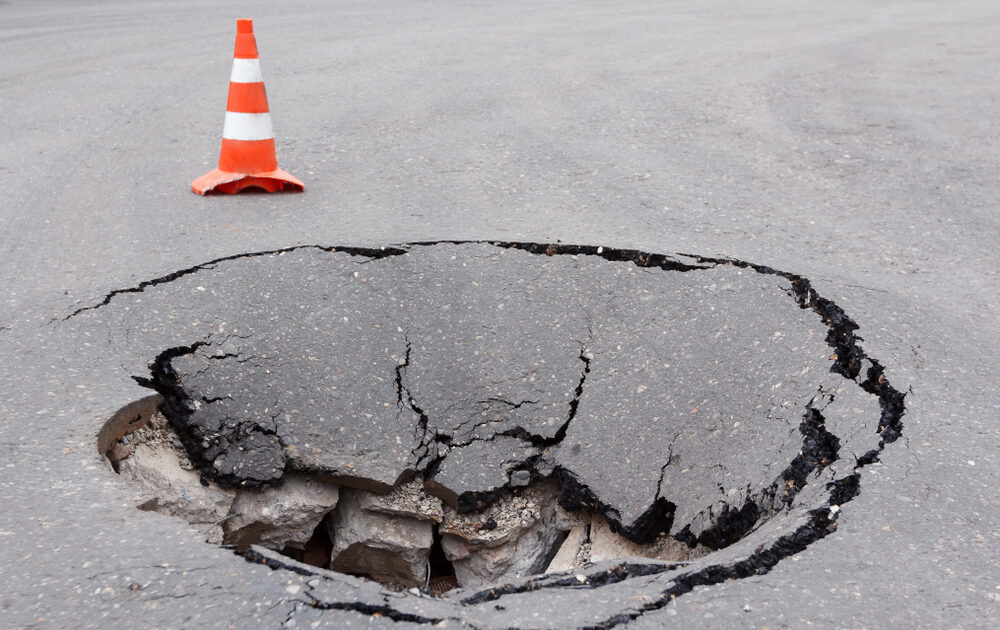
It’s easy to overlook small cracks or potholes in your parking lot or driveway. Maybe the surface just looks a little worn, or the damage seems minor. But those small problems can turn into big issues.
When you put off maintenance and repairs on your property, you could be taking on real legal risks. Damaged pavement can lead to accidents, injuries, and lawsuits. Whether it’s a tripping hazard for a customer or a crumbling lot that damages someone’s car, what starts as a surface issue can quickly become a serious liability.
In this blog, we’ll break down the legal risks of neglecting damaged pavement—and why it’s smarter, safer, and more cost-effective to deal with it before something goes wrong.
Premises Liability and the Risks of Neglecting Pavement
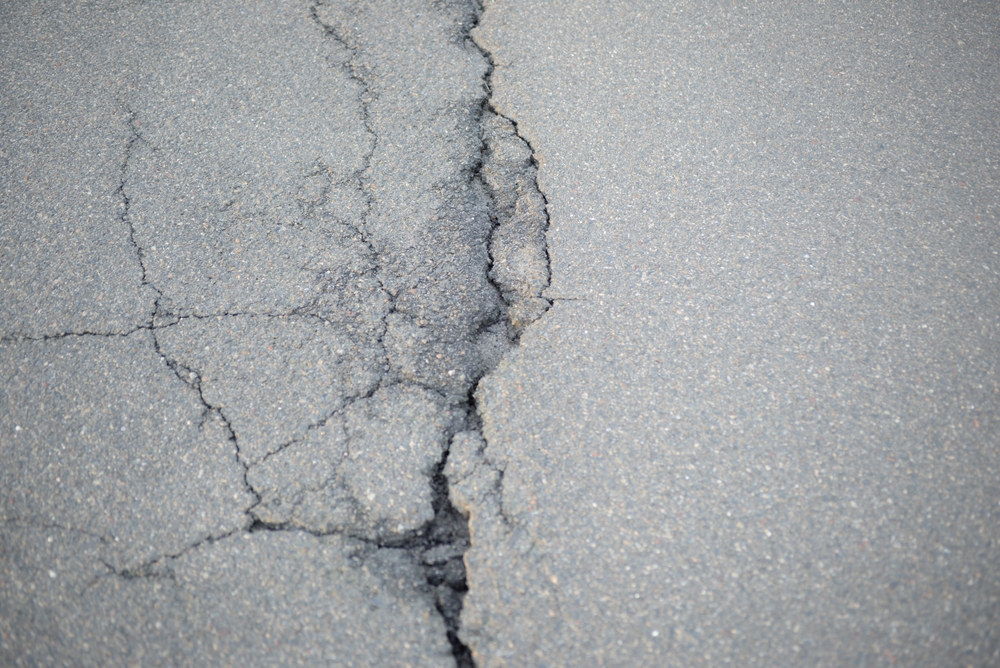
In legal terms, property owners have what’s called a “duty of care.” That means you’re responsible for keeping your property reasonably safe for visitors, tenants, or customers. This includes walkways, driveways, parking lots, and other surfaces people walk or drive on every day.
If someone gets hurt because of your damaged pavement—say they trip over a crack or hit a deep pothole with their car—you could be held legally responsible. That’s where premises liability comes in. It’s a part of law that deals with injuries caused by unsafe property conditions. And damaged pavement is a common source of these problems.
By neglecting basic maintenance, owners open themselves up to claims of negligence. And that can lead to expensive legal battles, fines, and settlements. Even if the damage doesn’t look serious, it could still create a dangerous situation, especially if poor road conditions are made worse by weather or traffic.
Common Accident and Injury Claims from Pavement Damage
When pavement isn’t kept in good shape, people can get hurt or property can be damaged. Here are some of the most common problems that lead to legal claims:
Slip-and-Fall Accidents
Cracks, uneven surfaces, or loose debris can cause someone to trip or lose their balance. These types of falls can lead to sprained ankles, broken bones, or head injuries—especially for older adults.
Car Accidents and Vehicle Damage
Large potholes or broken pavement can damage tires, suspension systems, or even cause someone to swerve and hit another car. In some cases, poor road conditions contribute to car accidents, which can lead to a legal claim if the property owners failed to fix the problem.
Structural Damage to Nearby Property
Water that pools or drains poorly due to damaged pavement can cause long-term structural damage to buildings or foundations. That kind of neglect might not cause an immediate injury, but it can still lead to expensive claims for damages.
Damages and Legal Consequences from Non-Accessible Pavement

Damaged pavement doesn’t just put people at risk—it can also put you in violation of accessibility laws. These issues can bring both lawsuits and government fines:
Blocked or Unsafe Access for Wheelchairs
If the pavement around your business is cracked, sloped unevenly, or missing a ramp, someone using a wheelchair might not be able to get to the entrance safely. That’s a violation of the Americans with Disabilities Act (ADA).
Faded or Damaged Accessible Parking Spaces
Faded paint, broken signs, or potholes in handicap parking spots may also violate ADA guidelines. These aren’t just small oversights—they can lead to lawsuits or fines under federal law.
Legal Action and Fines
Failing to meet ADA standards opens the door to both private lawsuits and penalties from government agencies. A person affected by poor access might hire a lawyer and sue, especially if the conditions have caused a fall or another kind of harm.
Insurance Limitations and Liability for Pavement Accidents
A lot of property owners assume their insurance will cover them if something goes wrong. But that’s not always how it works—especially when the problem comes from neglecting basic upkeep.
If your insurance company sees that you let your pavement fall into disrepair, they might not cover the full cost of a claim. For example, if someone files a claim after a fall or car damage and the adjuster finds that the surface was cracked or crumbling for months, they could deny the payout.
Even if your policy covers part of it, you could still be on the hook for thousands in legal costs, depending on how serious the injury or accident was. And if the case goes to court, you may need a lawyer to help with your defense, which adds even more to the bill.
Taking care of your pavement helps reduce these risks and can also keep your premiums lower in the long run.
What Happens If You’re Sued for Injury or Damages
When someone gets hurt or their property is damaged because of bad pavement, they might decide to sue. That can set off a long and expensive process for you as the property owner.
First, you might get a letter from a lawyer or a notice that a claim has been filed. At that point, you’ll likely need legal help to build your defense. These cases often focus on whether the owner was being careless or ignoring a known issue. If it turns out you were aware of the damage—or should have been—but didn’t fix it, the court may find you at fault.
That can lead to having to pay for medical bills, property damages, lost wages, or other costs tied to the accident. Even if the case settles out of court, it could still cost a lot of money and time.
Cost of Timely Repairs vs. Legal and Financial Risks
Fixing a cracked driveway or damaged parking lot might not be cheap, but waiting can be way more expensive. A simple patch job now could save you from a five-figure lawsuit later.
Compare the cost of regular maintenance and repairs to the possible expenses that come with legal claims—like paying for someone’s injury, hiring a lawyer, or covering court costs. When you think about the risks, fixing your pavement early is usually the smarter choice.
It also helps prevent problems related to traffic, drainage, and worn-down road conditions, which only get worse over time.
Contact Tolliver & Curl for Pavement Repairs in Columbus Today
Ignoring damaged pavement might seem not seem like a big deal, but it can quickly turn into a legal headache. Whether it’s a crack that leads to someone falling, a pothole that leads to a car accident, or worn-out roads that create unsafe conditions, the risks are real.
Staying on top of maintenance can help you avoid lawsuits, fines, and costly repairs down the line. Ignoring the problem can leave you wide open to claims of negligence and put you in a tough spot legally and financially.
Contact Tolliver & Curl for pavement repairs in the Columbus area today. If your pavement is showing signs of wear, it’s worth taking a closer look now—before a problem turns into a lawsuit.
You May Also Like...

What’s the Difference Between Overlay and Micro-Surfacing?
Pavement Preservation Solutions Choosing the right pavement preservation solution for your property can…

How Does The Choice Of Asphalt Mix Affect Repair Durability?
Types of Asphalt and Their Impact on Repairs Different asphalt mixes are made…

How To Pick The Right Paving Material For Your Business
Choosing the right paving material for your business is a big decision. It…